
Defense Systems · Precision Mechanism Drive Technology
Defense platforms — targeting systems, stabilized weapon mounts, radar antenna drives, missile fin actuators, and periscope mechanisms — demand planetary gearboxes that deliver arc-second positioning under vibration, shock, and temperature extremes while meeting military environmental and reliability specifications. This guide covers planetary gearbox engineering for defense precision mechanism applications.
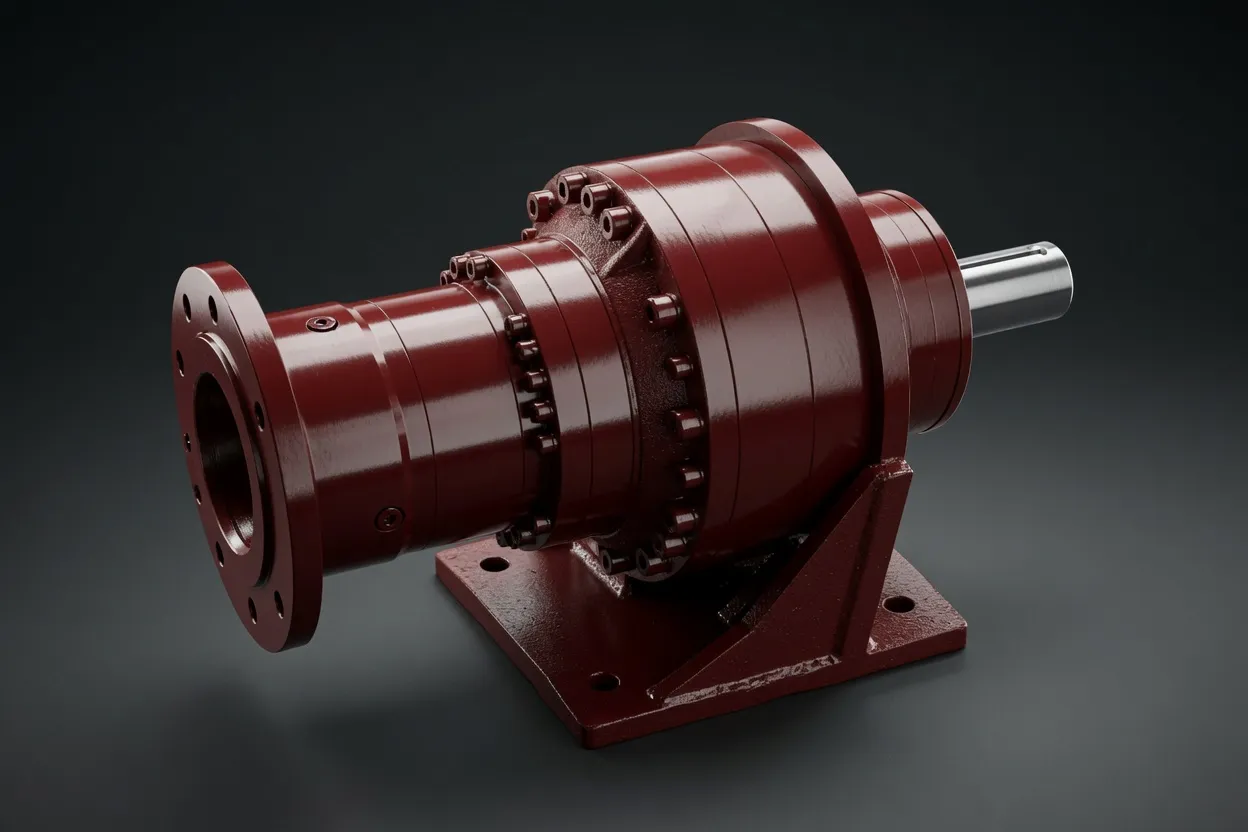
Planetary Gearboxes in Defense Mechanisms
Military platforms use precision planetary gearbox units in targeting systems that track objects with arc-second angular accuracy, stabilized mounts that isolate weapon or sensor pointing from vehicle motion, radar antennas that scan sectors at precise angular rates, and missile fin actuators that control flight trajectory at maneuvering accelerations exceeding 30 g. Ratios of 10:1 to 500:1 cover these diverse applications, with the common requirement being reliable, maintenance-free performance under the harsh environmental conditions specified by MIL-STD-810 and DEF STAN 00-35.
The low backlash planetary gearbox in a defense mechanism must withstand gun-blast shock (up to 500 g), transportation vibration (random profiles per MIL-STD-810 Method 514), temperature extremes (–46 °C to +71 °C per MIL-STD-810), sand and dust exposure (150 μm silica particles at 1.5 m/s), salt fog (5% NaCl per MIL-STD-810 Method 509), and electromagnetic interference (per MIL-STD-461). Surviving this combination of environmental stresses while maintaining sub-arcminute pointing accuracy defines the engineering challenge of defense-grade planetary gearbox design.
Performance Requirements by Application Type
Targeting and Fire Control
Targeting systems on armored vehicles and naval vessels track designated targets with angular accuracy within ±0.1 mrad (20 arcseconds) while the platform moves over rough terrain or through sea states. The gearbox must have backlash below 30 arcseconds and torsional stiffness above 500 Nm/arcmin to prevent the targeting servo from losing lock during vehicle-motion-induced disturbances. A precision planetary gearbox with lapped gear meshes and preloaded cross-roller output bearings achieves these specifications in a compact package that fits within the turret or mount envelope.
Radar Antenna Drives
Surveillance and tracking radars rotate their antennas at precisely controlled angular rates — from slow scanning at 6 RPM to high-speed tracking at 60+ RPM — with rate stability within ±0.1% to maintain pulse-to-pulse beam pointing accuracy. The planetary gear reducer must deliver smooth, cogging-free rotation across this speed range, with no torque ripple artifacts that could modulate the antenna’s angular velocity and blur the radar image. Helical planetary gears with ground teeth and optimized mesh phasing achieve the smoothness required for military radar performance.
Missile Fin Actuators
Tactical missile fin actuators operate for only seconds to minutes per engagement but must deliver maximum performance from the instant of launch under acceleration loads of 30+ g, vibration from the rocket motor, and temperature rise from aerodynamic heating. The gearbox must achieve full rated torque within 5 milliseconds of command, requiring zero-backlash output and maximum torsional stiffness for the highest possible servo bandwidth. Miniature planetary gearboxes weighing 50 to 200 grams with ratios of 20:1 to 80:1 serve these extreme short-duration, high-performance requirements.
Military Environmental Specifications
️ Temperature Range
Full performance from –46 °C to +71 °C per MIL-STD-810. Storage survivability from –57 °C to +85 °C. Arctic-grade lubricants and controlled bearing clearances ensure reliable operation at both extremes.
Shock and Vibration
Gun-blast shock survival to 500 g per MIL-STD-810 Method 516. Random vibration per Method 514 Category 24. Design validation through analysis and test ensures no resonant amplification within the specified frequency range.
️ Sand, Dust, and Salt Fog
IP67 sealing minimum for ground-vehicle mechanisms. Dust-wiper seals rated for 150 μm silica particles. Corrosion-resistant housing coatings validated through 720-hour salt-fog testing per MIL-STD-810 Method 509.
Reliability
MTBF exceeding 10,000 operating hours for ground-vehicle targeting systems. Mission reliability above 99.9% for missile fin actuators. Demonstrated through accelerated life testing with reliability statistical analysis per MIL-HDBK-217.
Qualification and Acceptance Testing
Environmental Qualification
Subject qualification units to the full MIL-STD-810 environmental test sequence applicable to the platform: temperature, altitude, humidity, vibration, shock, sand/dust, and salt fog. Verify full functional performance after each environmental exposure.
EMI/EMC Testing
For mechanisms integrated with electronic targeting or radar systems, verify that the gearbox-motor assembly does not radiate or conduct electromagnetic emissions that interfere with the sensor system’s performance per MIL-STD-461.
Acceptance Testing
Every production unit undergoes acceptance testing: backlash measurement, torque capacity verification, noise level, and vibration measurement. Only units meeting all specification requirements ship to the defense customer. Full test data accompanies each unit.
First-Article Inspection
For new designs or production-method changes, a complete first-article inspection per AS9102 documents every dimension, material certification, and process parameter, providing the documented evidence that the production process reproduces the qualified design.
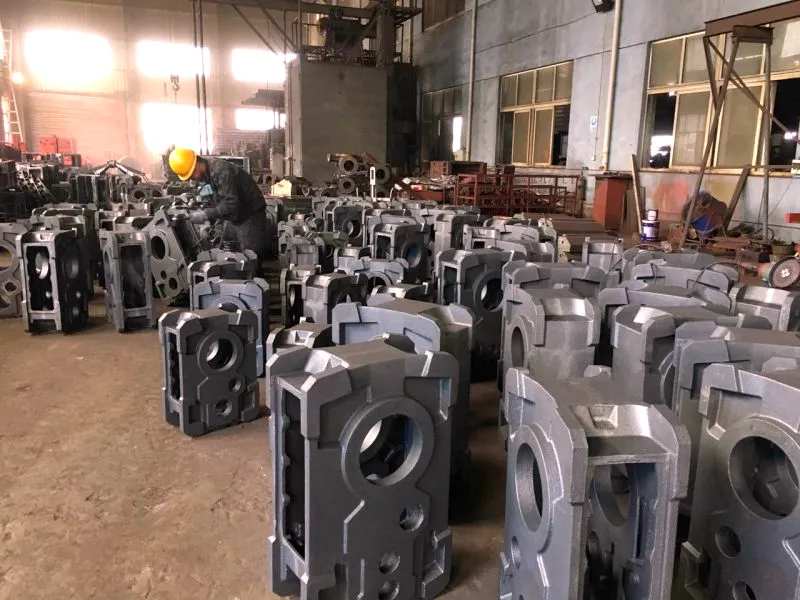
Maintenance and Reliability
Defense mechanism gearboxes are designed for maintenance-free operation through the platform’s deployment cycle — typically 5 to 10 years between depot-level overhauls. Field maintenance is limited to external cleaning and functional verification during scheduled platform inspections. When the platform reaches depot overhaul, the mechanism is removed, the gearbox is disassembled, inspected, and rebuilt with new seals and bearings, and the complete mechanism is returned to service with refreshed certification. This overhaul approach extends the mechanism’s service life through multiple platform overhaul cycles.
For missile and expendable-munition gearboxes, the design life equals the weapon’s storage life plus the mission duration — typically 10 to 20 years of storage followed by seconds to minutes of operational use. The gearbox must survive storage conditions (temperature cycling, humidity, vibration from transport) without degradation that would compromise mission performance. Accelerated aging tests validate storage-life performance by exposing units to elevated temperature and humidity conditions that simulate the chemical and mechanical degradation processes occurring over the planned storage period.
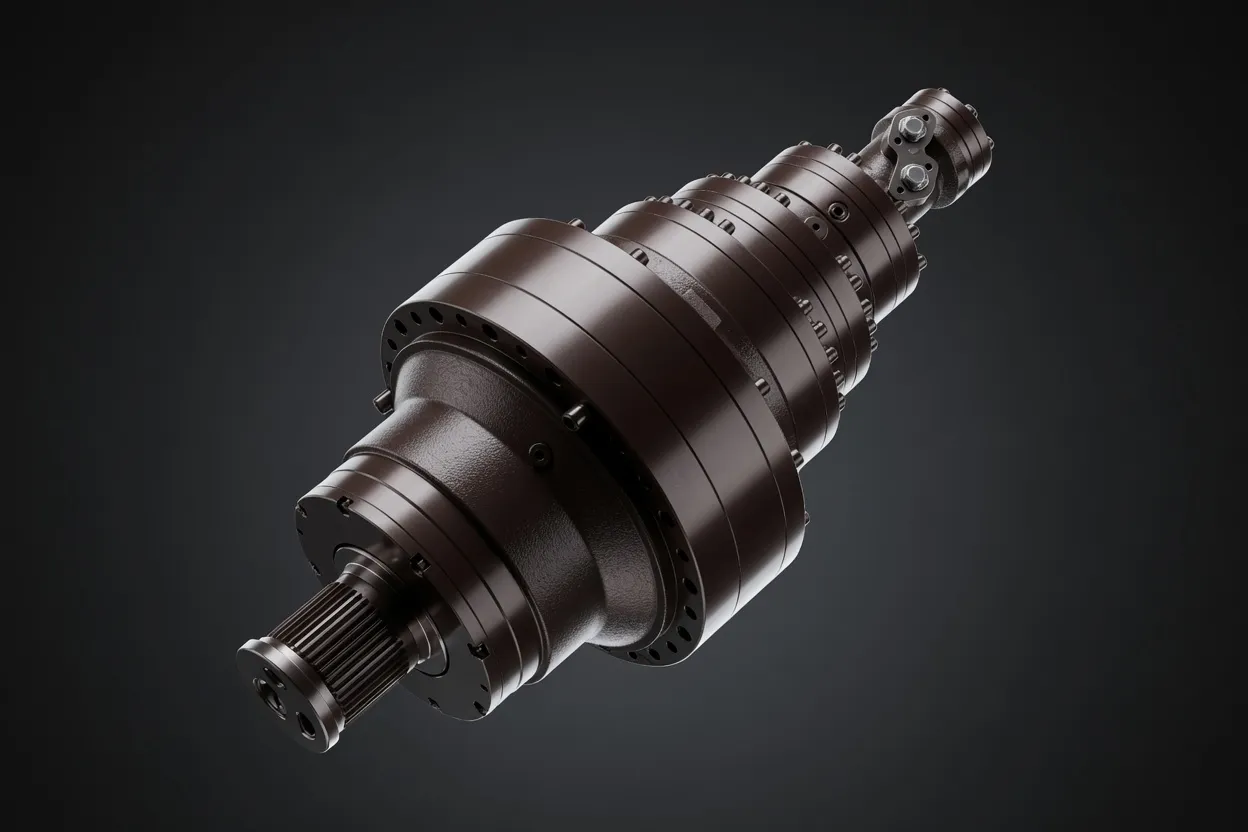
Why Choose Ever-Power
Military-Grade Manufacturing
Our defense gearbox production operates under AS9100 with ITAR-compliant security controls, producing flight and ground-vehicle mechanism components with full military specification material traceability.
MIL-STD-810 Test Capability
Our environmental test laboratory performs temperature, vibration, shock, sand/dust, and salt-fog testing per MIL-STD-810, enabling complete environmental qualification within our facility.
️
Defense Program Support
We support defense prime contractors and Tier 1 mechanism suppliers from design through production and sustainment, providing the engineering depth and manufacturing capacity for multi-year defense acquisition programs.
Controlled Supply Chain
ITAR-compliant export controls, material traceability, and counterfeit-parts prevention measures meet the supply-chain requirements of major defense acquisition programs. Contact [email protected].
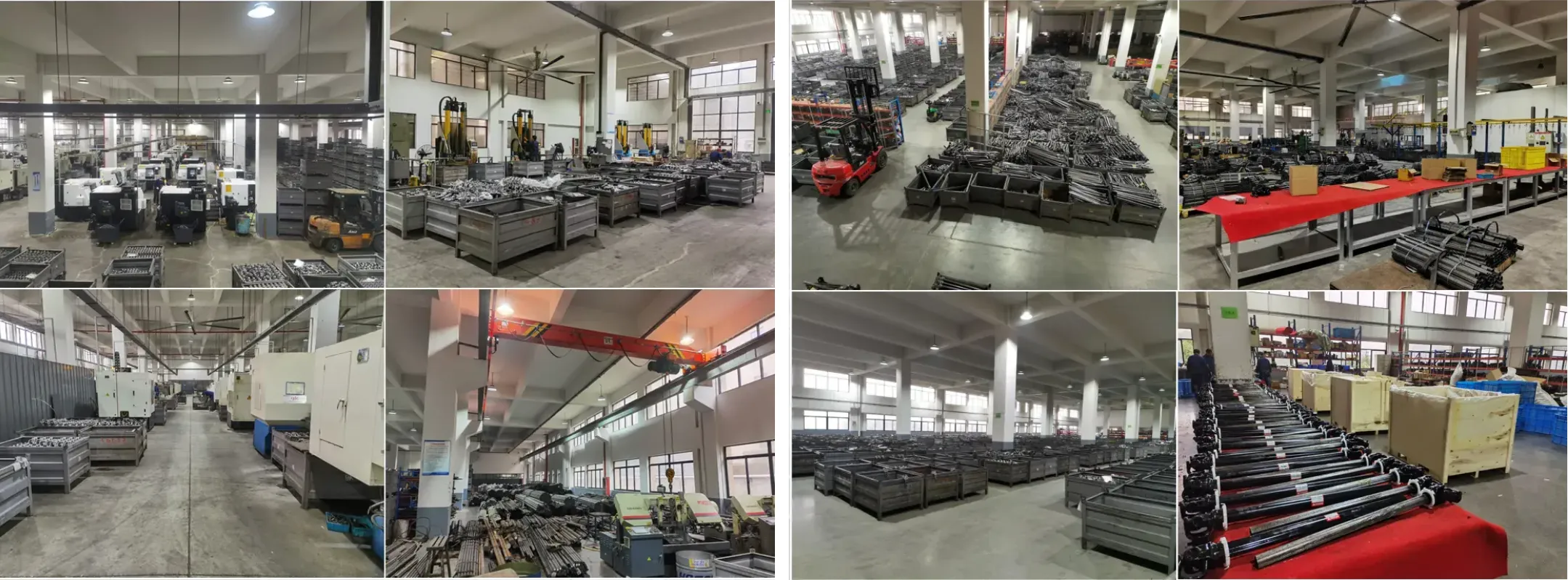
Frequently Asked Questions
Precision Mechanisms for Mission-Critical Defense Systems
Share your mechanism requirements, environmental specifications, and program timeline — our defense team will deliver a qualified gearbox solution.