
AGV & AMR Technology · Wheel Drive Gearboxes
Automated Guided Vehicles and Autonomous Mobile Robots depend on compact, efficient wheel drive systems that operate quietly in shared human-robot workspaces. A planetary gear reducer between the drive motor and wheel hub provides the torque multiplication, speed reduction, and mechanical durability these platforms need to transport payloads across factory floors, warehouses, and logistics centers around the clock. This article examines the engineering factors behind selecting and integrating planetary gearboxes for AGV wheel drive applications.
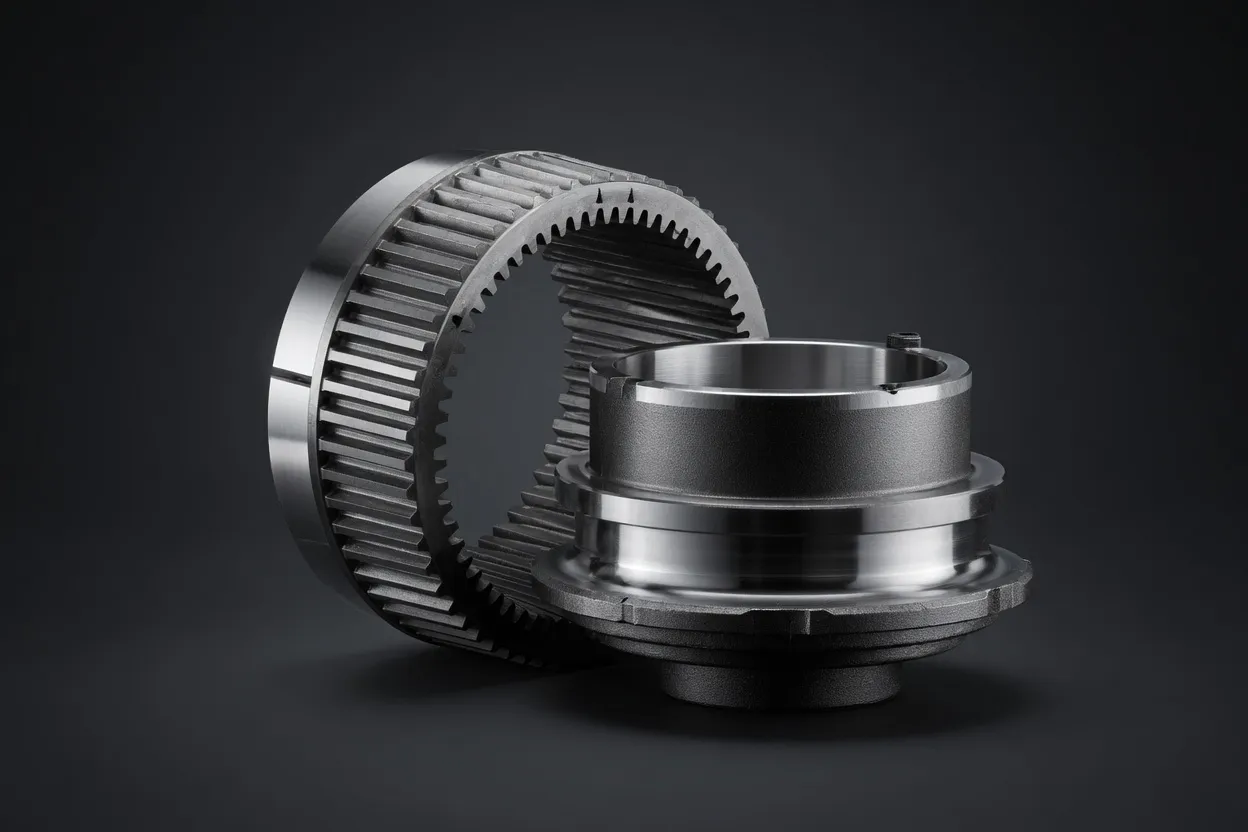
How AGV Wheel Drives Utilize Planetary Gearboxes
An AGV wheel drive module typically pairs a brushless DC or permanent-magnet servo motor with a planetary reducer mounted coaxially to the drive wheel. The reducer steps motor speed down from several thousand RPM to the 50–200 RPM range that matches typical AGV travel speeds of 1 to 2 meters per second. At the same time, it multiplies motor torque by the inverse of the speed ratio, giving the vehicle enough tractive force to accelerate, climb ramps, and maneuver loaded pallets weighing up to 1,500 kg or more on each drive unit.
Because AGVs operate in close proximity to human workers, noise is a critical selection factor. The meshing geometry of an AGV planetary gearbox — helical planet gears engaging simultaneously across multiple teeth — produces substantially lower noise levels than spur-gear alternatives. Premium helical planetary units rated below 65 dB(A) enable deployment in noise-sensitive environments such as hospital logistics corridors and semiconductor clean-logistics zones without requiring additional acoustic enclosures.
Performance Requirements Specific to AGV Applications
Continuous Low-Speed Torque Delivery
AGVs spend most of their operating time at steady cruise speed, occasionally accelerating from standstill with full payload. The planetary gear reducer must deliver its rated torque continuously at low output RPM without overheating. Oil-bath or grease-packed planetary units with high thermal mass excel here, dissipating heat through the aluminum or cast-iron housing into the vehicle chassis. Reducers designed for intermittent-duty industrial robots may overheat when subjected to the continuous-duty thermal profile of an AGV running 20+ hours per day.
Shock and Vibration Resistance
Warehouse floors are not perfectly smooth. Expansion joints, dock plates, and debris generate repeated shock loads transmitted from the wheel through the reducer input. Planetary gearboxes with hardened alloy steel gears and pre-loaded angular contact bearings absorb these transient loads without accelerated wear. Rubber damper elements integrated into the wheel-hub mounting further isolate the gear train from high-frequency vibration, extending bearing and seal service life in demanding logistics environments.
Bidirectional Operation
AGVs must drive forward and reverse with equal performance. A high torque planetary gearbox designed for bidirectional duty uses symmetrical tooth profiles and bearing arrangements that deliver identical efficiency, noise, and backlash characteristics regardless of rotation direction. Asymmetric designs — acceptable in one-direction conveyor drives — generate uneven wear and noise when subjected to frequent reversal cycles, making them unsuitable for AGV applications where path flexibility requires constant directional changes.
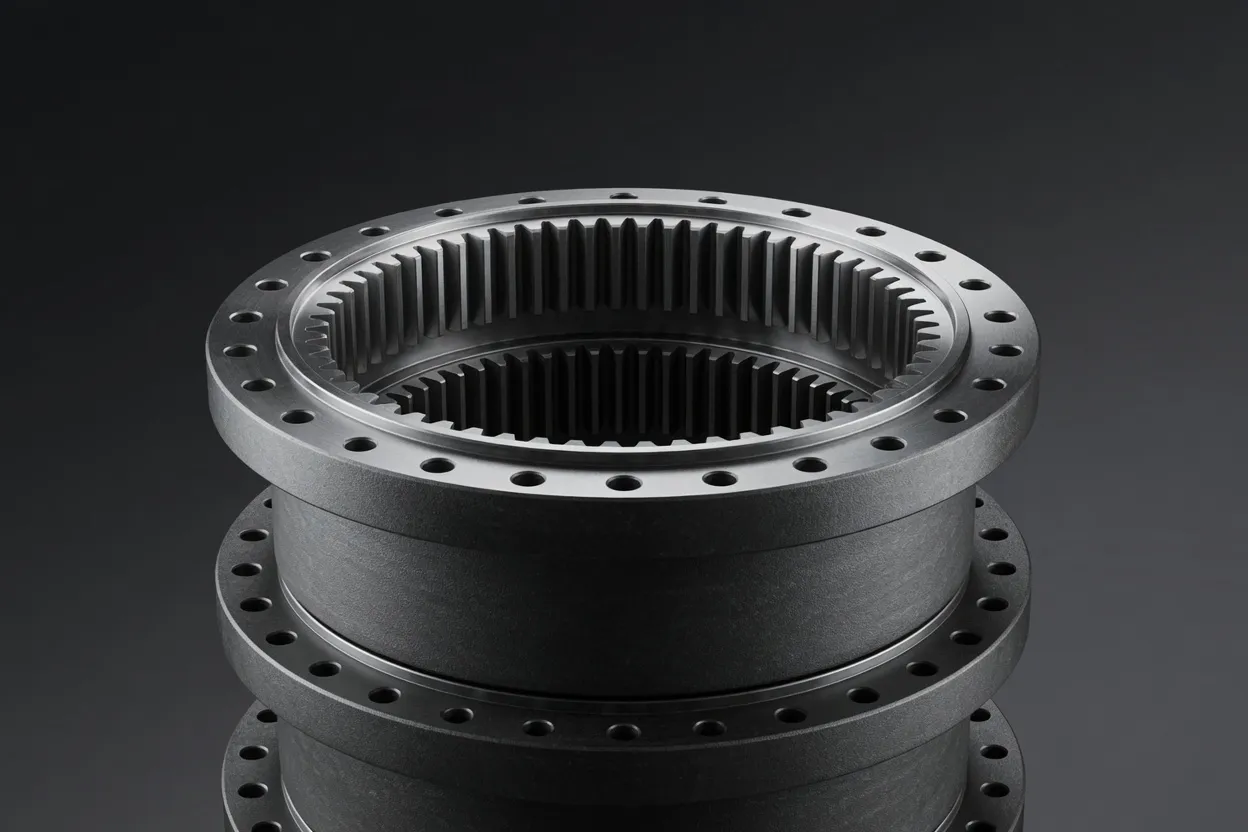
Gear Ratio Selection for Different AGV Types
Unit-Load AGVs
Carrying pallets or racks up to 1,500 kg, these vehicles need high reduction ratios (40:1 to 80:1) to generate sufficient tractive force from compact motors. Two-stage planetary units balance torque capacity and package size within the standard wheel module envelope.
️ High-Speed Sorting AGVs
Parcel-sorting AGVs traveling at 3+ m/s use lower ratios (15:1 to 30:1) to maximize wheel speed. Single-stage planetary reducers with helical gearing keep noise below 60 dB(A) at these elevated output speeds, an important criterion for overnight-shift parcel hubs.
Compact AMRs
Small autonomous mobile robots navigating narrow aisle ways use miniature planetary reducers (frame sizes 40–60 mm) at ratios of 20:1 to 50:1. Weight and diameter are critical constraints; every gram of reducer weight subtracts from available payload capacity on battery-powered platforms.
️ Heavy-Duty Tugger AGVs
Towing trains of carts weighing 5,000 kg or more, tugger AGVs require robust two-stage or three-stage reducers at ratios of 80:1 to 150:1. Output shaft bearings must accommodate high radial loads from the tow-pin connection, and the housing must resist the bending moments generated during cornering under full tow load.
Wheel Drive Module Integration Considerations
Motor Flange Compatibility
Match the reducer input flange to the motor mounting pattern — NEMA, IEC, or custom OEM pilot diameters. A precision adapter plate ensures concentricity within 0.02 mm, preventing shaft seal wear and input bearing overload caused by misalignment during the thousands of operating hours an AGV accumulates annually.
Wheel Hub Connection
The reducer output connects to the drive wheel through a keyed shaft, splined coupling, or direct flange mount. For omnidirectional AGVs using Mecanum wheels, the output flange must handle both drive torque and the lateral thrust forces generated by the roller elements. Specify a reducer with an integrated output bearing rated for combined axial and radial loads.
IP Rating and Sealing
AGVs operating in food, pharmaceutical, or outdoor environments need IP65 or higher protection. Select planetary gearboxes with double-lip shaft seals, O-ring housing joints, and sealed breather valves. Standard industrial reducers rated IP40 will allow moisture and dust ingress that contaminates the lubricant and accelerates gear wear within months.
Electrical Grounding
Variable-frequency drives and high-switching-frequency motor controllers can induce parasitic shaft currents through the reducer bearings. Install an insulating coupling or shaft grounding ring between the motor and reducer input to prevent electrical discharge machining (EDM) damage to the bearing raceways, a failure mode that presents as premature pitting and elevated noise levels.
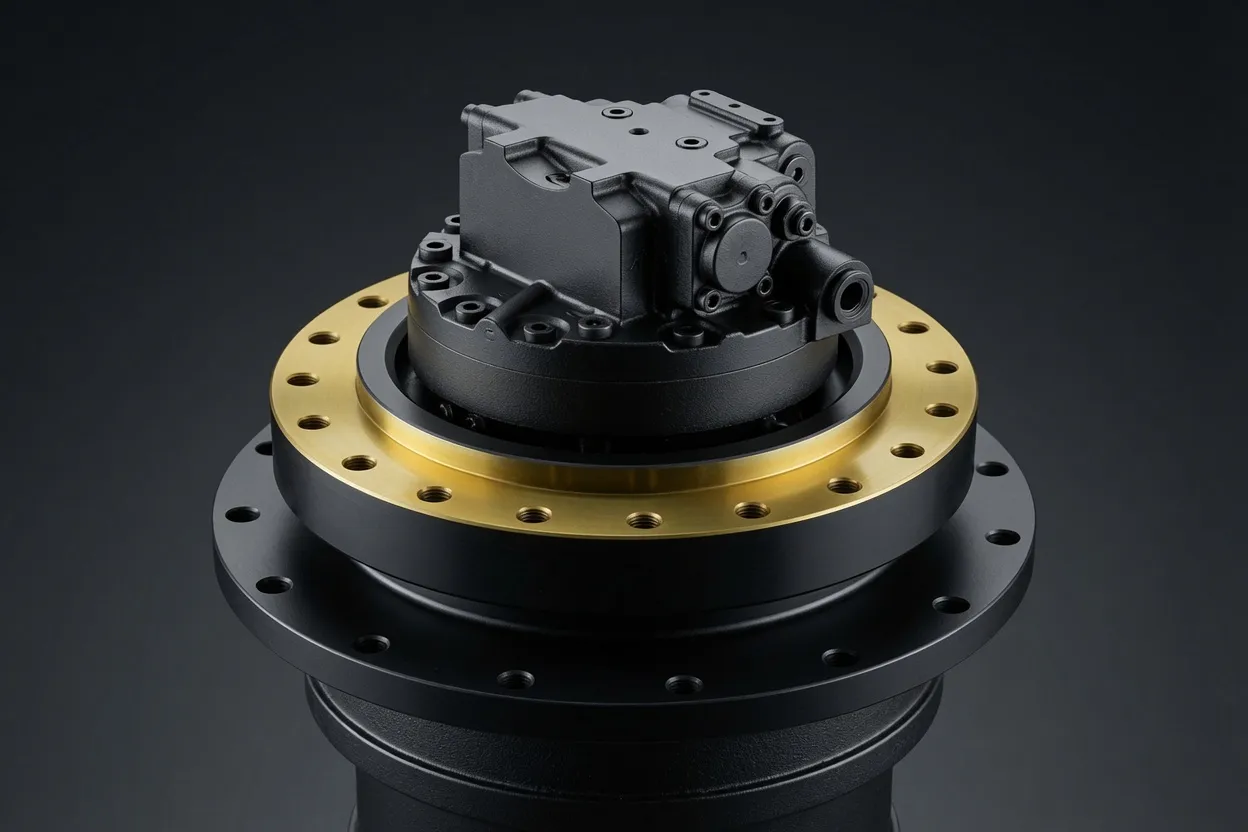
Maintenance and Lifecycle Management
Lubricant Monitoring
AGV wheel drive gearboxes accumulate operating hours rapidly — a three-shift warehouse operation logs over 6,000 hours annually per vehicle. Schedule lubricant condition analysis every 5,000 hours: draw a small grease sample through the fill port and test for metal particle content, viscosity breakdown, and moisture contamination. Elevated iron and chromium particle counts indicate gear or bearing wear progression and should trigger a planned replacement within the next maintenance window rather than running to failure.
Predictive Diagnostics Integration
Modern AGV fleet management systems support vibration and temperature telemetry from onboard sensors. Mounting a compact vibration sensor on each wheel drive reducer enables continuous condition monitoring without manual inspection rounds. Cloud-based analytics platforms can flag individual reducers showing spectral anomalies weeks before a functional failure, enabling the maintenance team to batch replacement activities across the fleet and minimize vehicle downtime.
Why Choose Ever-Power for AGV Wheel Drive Gearboxes
Volume Manufacturing Capability
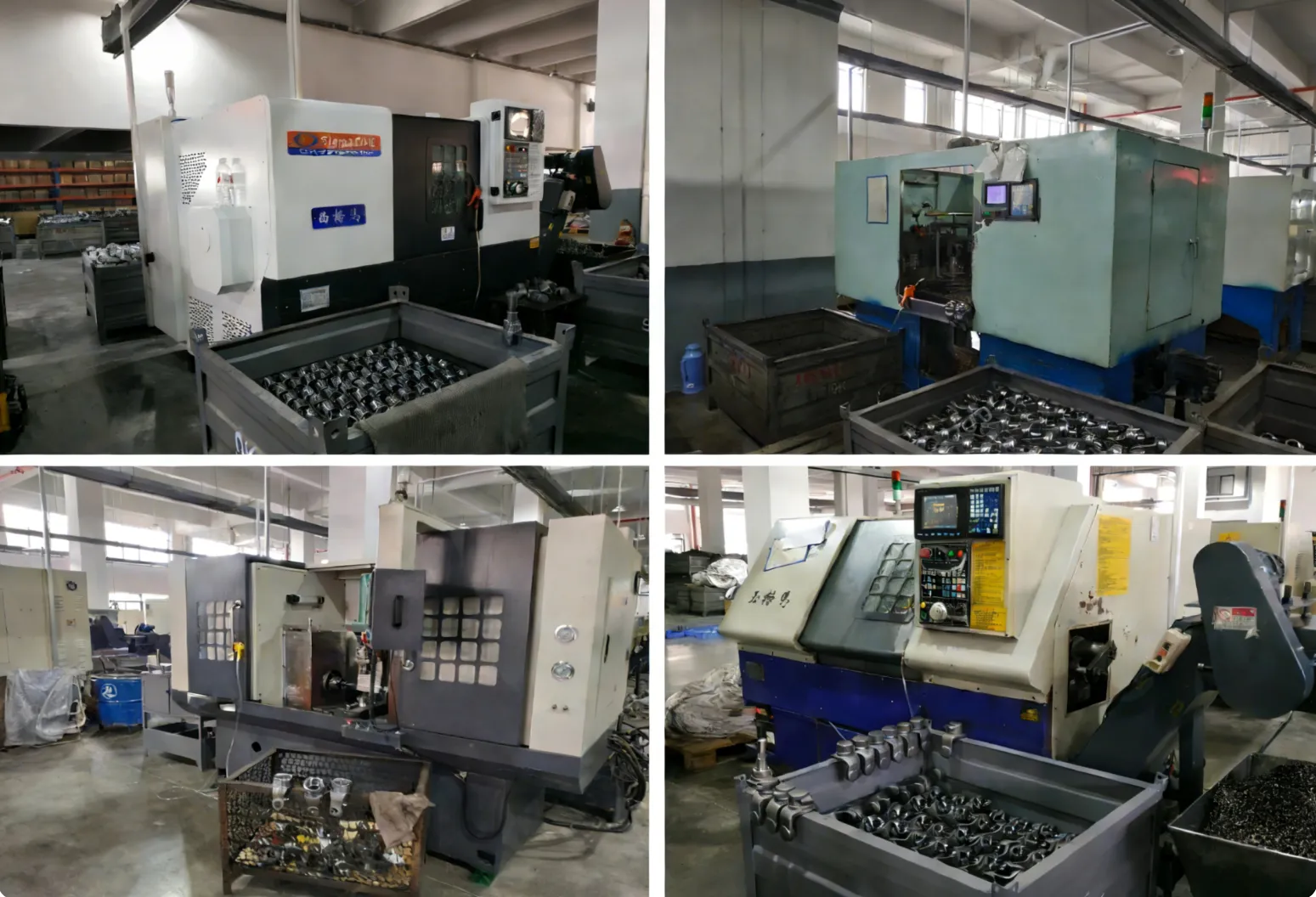
Our production lines deliver 5,000+ planetary reducer units per month, supporting AGV OEMs with consistent quality and on-time delivery for fleet-scale deployments across multiple geographic markets.
Noise-Optimized Gear Sets
Helical planetary gear sets ground to AGMA Class 11 or higher produce operating noise levels below 65 dB(A), meeting the acoustic requirements of hospital, cleanroom, and shared-workspace AGV deployments where every unit operates near human workers.
️
Custom Wheel Module Design
We design integrated motor-reducer-wheel modules tailored to your AGV chassis geometry. Share your wheel diameter, payload capacity, and top speed — our drive-train engineering team will deliver a validated 3D assembly model within 10 business days.
Flexible Ordering
From prototype single-unit orders to annual blanket agreements covering thousands of units, our commercial team structures pricing, lead times, and logistics to match each customer’s product lifecycle stage. Contact [email protected] for a volume quotation.
Frequently Asked Questions
Equip Your AGV Fleet with Reliable Wheel Drives
Share your vehicle specifications and fleet volume — we will provide a detailed quotation with technical validation within 48 hours.