
Hybrid Powertrain · Power-Split Gear Technology
Hybrid vehicles combine an internal combustion engine with one or more electric motor-generators, using planetary gear sets to blend, split, and redirect power between these sources and the drive wheels. The planetary gearbox in a hybrid drivetrain is not merely a speed reducer — it functions as a mechanical power-split device that enables the vehicle to operate in pure electric, pure engine, or blended mode depending on driving conditions. This article explores the engineering principles, design requirements, and material challenges governing planetary gearbox design for hybrid vehicle applications.
The Power-Split Planetary Gear Set in Hybrid Drivetrains
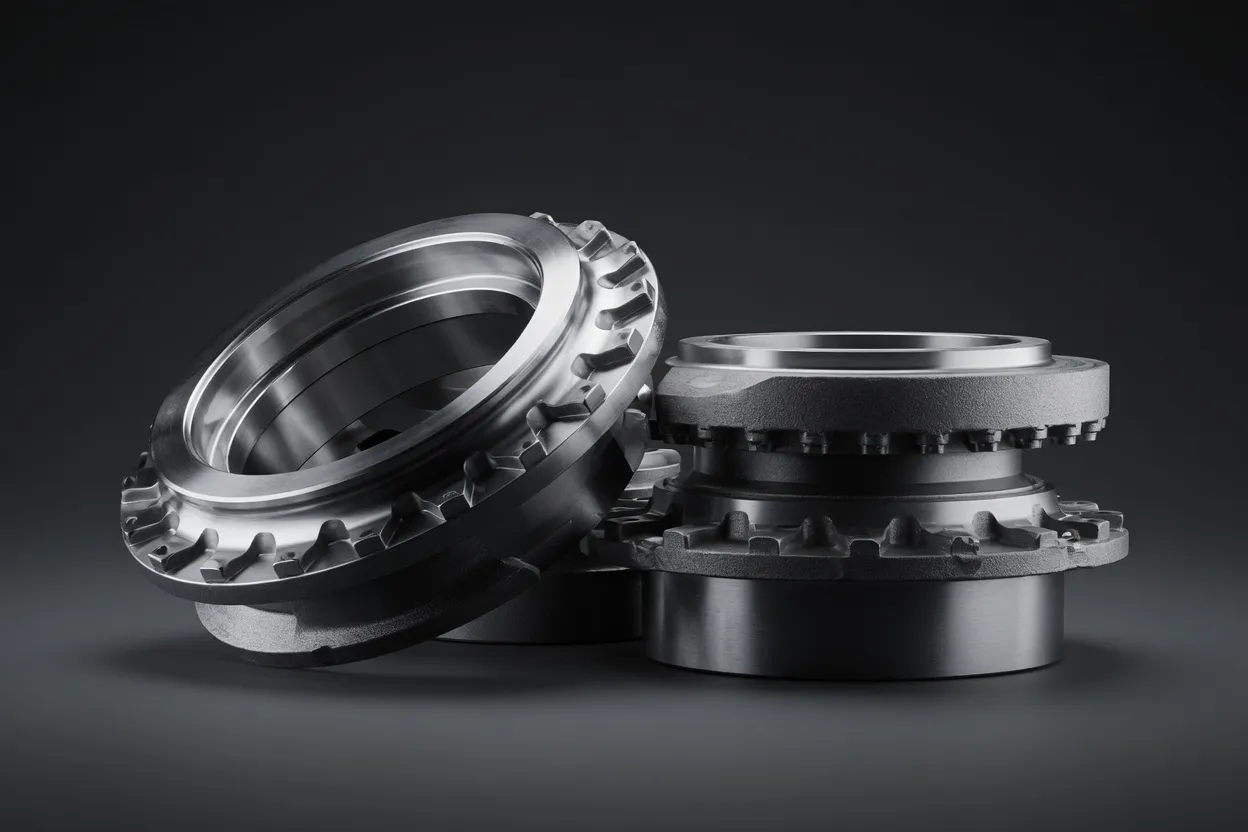
The defining feature of a power-split hybrid (exemplified by the Toyota Hybrid System and similar architectures) is a single planetary gear set that mechanically couples the engine, a motor-generator (MG1), and the vehicle drive output. The engine connects to the planet carrier, MG1 connects to the sun gear, and the ring gear drives the wheels through a final reduction stage. By controlling MG1’s speed electronically, the system continuously varies the effective ratio between the engine and wheels without conventional gear shifts — functioning as an electronic continuously variable transmission (eCVT).
This arrangement allows the engine to operate at its most fuel-efficient speed regardless of vehicle speed, while MG1 absorbs or supplies the speed difference electrically. A second motor-generator (MG2), connected to the ring gear or output shaft, provides additional drive torque and regenerative braking capability. The planetary gearbox at the center of this system must handle bidirectional power flow on all three ports simultaneously, with torque magnitudes and directions changing continuously based on the vehicle controller’s optimization of fuel consumption and battery state-of-charge.
Multi-Mode Hybrid Architectures
Input-Split Configuration
In an input-split hybrid, the planetary set divides engine power between a mechanical path (directly to the wheels) and an electrical path (through MG1 to the battery and back through MG2). At low vehicle speeds, most power flows electrically, allowing the engine to spin at its most efficient RPM. At highway speeds, the mechanical path dominates, and the electrical path handles only the speed-difference component. This multi-stage planetary gearbox arrangement achieves fuel efficiency improvements of 30–40% over conventional automatic transmissions in urban driving cycles where the engine frequently operates off its efficiency peak.
Compound-Split Configuration
Heavy-duty hybrid trucks and buses use compound-split architectures with two planetary gear sets, enabling both input-split and output-split modes depending on vehicle speed. The vehicle controller selects the mode that minimizes losses for the current operating condition — input-split for low-speed urban operation, output-split for highway cruising. Each planetary set must handle the full engine torque, and the transition between modes involves coordinated clutch engagement and planetary set reconfiguration within 200 milliseconds to maintain seamless torque delivery to the wheels.
P2 Parallel Hybrid with Planetary Reduction
In P2 parallel hybrids, the electric motor connects to the transmission input shaft through a disconnect clutch, and a planetary reduction stage steps down the motor’s high speed to match the transmission’s input speed range. This planetary reducer must handle bidirectional torque (motoring and regenerating) and survive the speed transients that occur during clutch engagement and disengagement. A planetary gear reducer with helical gearing and low backlash ensures smooth torque transitions during mode changes, preventing the driveline shunt that passengers perceive as a jerk or hesitation.
Design Requirements for Hybrid Planetary Gear Sets
⚡ Bidirectional Power Flow
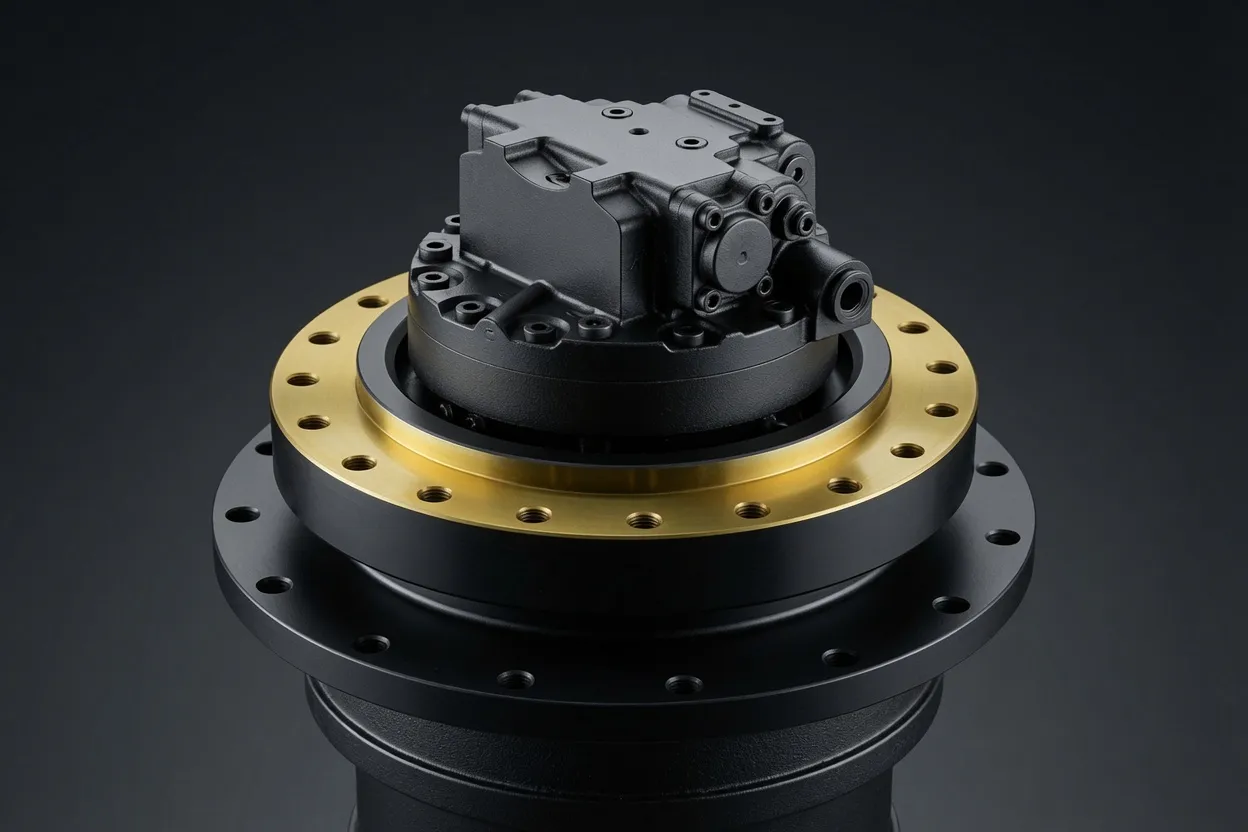
Unlike conventional transmissions where power flows in one direction, hybrid planetary sets must transmit power simultaneously through all three ports — engine, MG1, and output — with torques that reverse direction depending on the operating mode. Gear teeth must be designed for symmetric loading to prevent accelerated wear on one flank compared to the other.
NVH Under All Operating Modes
The hybrid system transitions between electric-only (engine off, very quiet cabin), engine-only, and blended modes. Gear noise that was masked by engine sound in blended mode becomes clearly audible in electric mode. Tooth-profile modifications must reduce mesh excitation to levels acceptable across all modes, including the ultra-quiet electric-only condition.
Efficiency Across the Operating Map
Hybrid controllers optimize fuel economy by selecting engine and motor operating points based on the combined efficiency of all drivetrain components. A high efficiency planetary gearbox widens the controller’s solution space, enabling more aggressive fuel-saving strategies. Even 0.5% improvement in gearbox efficiency contributes meaningfully to the vehicle’s certified fuel-economy rating.
️ Thermal Coexistence with Motor-Generators
The planetary gear set shares its oil supply with the adjacent motor-generators, which reject significant heat into the transmission fluid during sustained power delivery. The gear set and bearings must function reliably at oil temperatures up to 120 °C — 20–30 °C higher than typical ICE-only transmission oil temperatures — requiring lubricants and materials rated for this elevated thermal environment.
Material and Manufacturing Considerations
Hybrid planetary gears endure a unique combination of high-speed operation (from the motor-generator side), high-torque loading (from the engine side), and frequent torque reversals (from regenerative braking). These conditions demand gear materials with exceptional fatigue resistance on both tooth flanks. Case-carburized alloy steels — 20MnCr5, SAE 8620, or SAE 9310 for premium applications — provide the hard, wear-resistant surface and tough, impact-absorbing core needed for this duty profile. Post-carburizing processes including shot peening, deep rolling, and superfinishing further enhance fatigue life and reduce friction.
Manufacturing tolerances for hybrid planetary gears are among the tightest in the automotive industry. Sun gears, which spin at motor-generator speeds up to 15,000 RPM, require profile and lead accuracies within 5 μm to control noise and vibration. Ring gears, carrying the highest torque loads, need root fillet geometry optimized by FEA to resist bending fatigue. Planet gears, loaded on both flanks during bidirectional operation, must have symmetric tooth profiles with matched surface finish on both sides. Achieving these specifications consistently across production volumes of hundreds of thousands of units per year is the central manufacturing challenge of hybrid planetary gear production.
Durability Validation and Testing
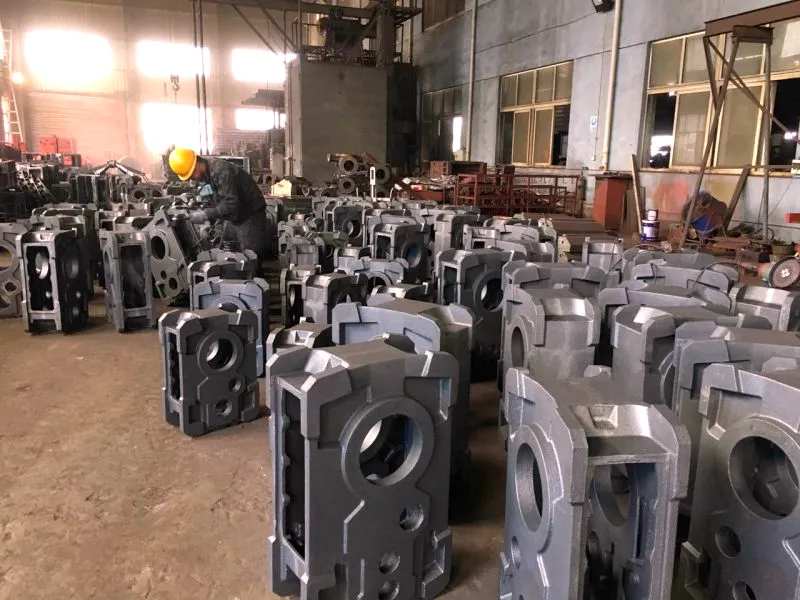
Hybrid planetary gear sets undergo validation testing that combines conventional automotive durability protocols with hybrid-specific duty cycles. Standard tests include high-speed endurance (simulating motor-generator operation at 12,000+ RPM for 1,000 hours), full-torque durability (engine-rated torque for 3,000 hours), and thermal cycling (–40 °C to +150 °C oil temperature for 500 cycles). Hybrid-specific tests add power-split cycling — repeatedly transitioning between electric-only, blended, and engine-only modes at various vehicle speeds and loads to validate gear-tooth fatigue under the alternating stress patterns unique to hybrid operation.
End-of-test evaluation includes magnetic particle inspection of every gear for crack initiation, tooth-surface profilometry to quantify micropitting and wear, bearing clearance measurement, and oil analysis for wear-metal content. Only gear designs that pass all criteria with adequate safety margins proceed to production release. This rigorous validation process, typically consuming 12 to 18 months from design freeze to production approval, ensures that the planetary gear set meets the vehicle’s 250,000 km warranty requirement with high confidence.
Why Choose Ever-Power for Hybrid Drivetrain Planetary Gears
Dual-Flank Gear Expertise
Our manufacturing process produces gears with matched surface quality on both tooth flanks, essential for the bidirectional loading that hybrid planetary sets experience during power-split and regenerative braking operation.
Full-Speed NVH Testing
We operate high-speed gear test rigs that measure transmission error, mesh excitation, and airborne noise at motor-generator speeds up to 18,000 RPM — validating gear-noise performance under the actual operating conditions of a hybrid planetary set.
️
Hybrid System Co-Design
Our gear engineers collaborate with hybrid system architects from the concept phase, optimizing tooth counts, profile modifications, and carrier geometry within the constraints of the power-split architecture’s packaging and ratio requirements.
Automotive Volume Capability
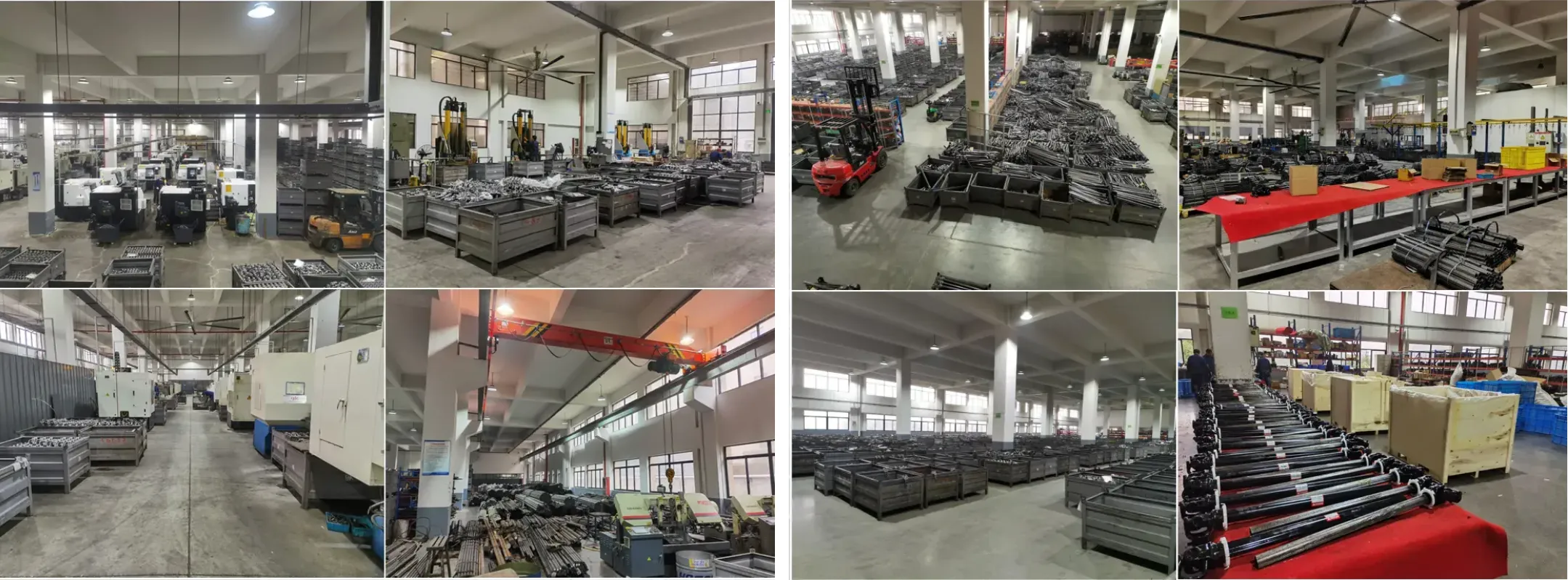
Equipped for annual production volumes exceeding 200,000 gear sets, our facility delivers the capacity, consistency, and cost structure required for Tier 1 hybrid transmission programs serving global OEM customers.
Frequently Asked Questions
Engineer Your Hybrid Drivetrain with Precision Gears
Share your hybrid architecture, power-split parameters, and volume projections — our team will deliver a comprehensive gear-set proposal.