
Factory Automation · Assembly Line Drive Solutions
Automated assembly lines depend on dozens — sometimes hundreds — of individual actuators performing repetitive, high-precision tasks at sustained cycle rates. From screw driving and press-fitting to component insertion and adhesive dispensing, each station requires a drive system that delivers consistent torque and positioning across millions of operations without drift or downtime. This article explores how planetary gearboxes serve as the reliable core of assembly line actuator systems.
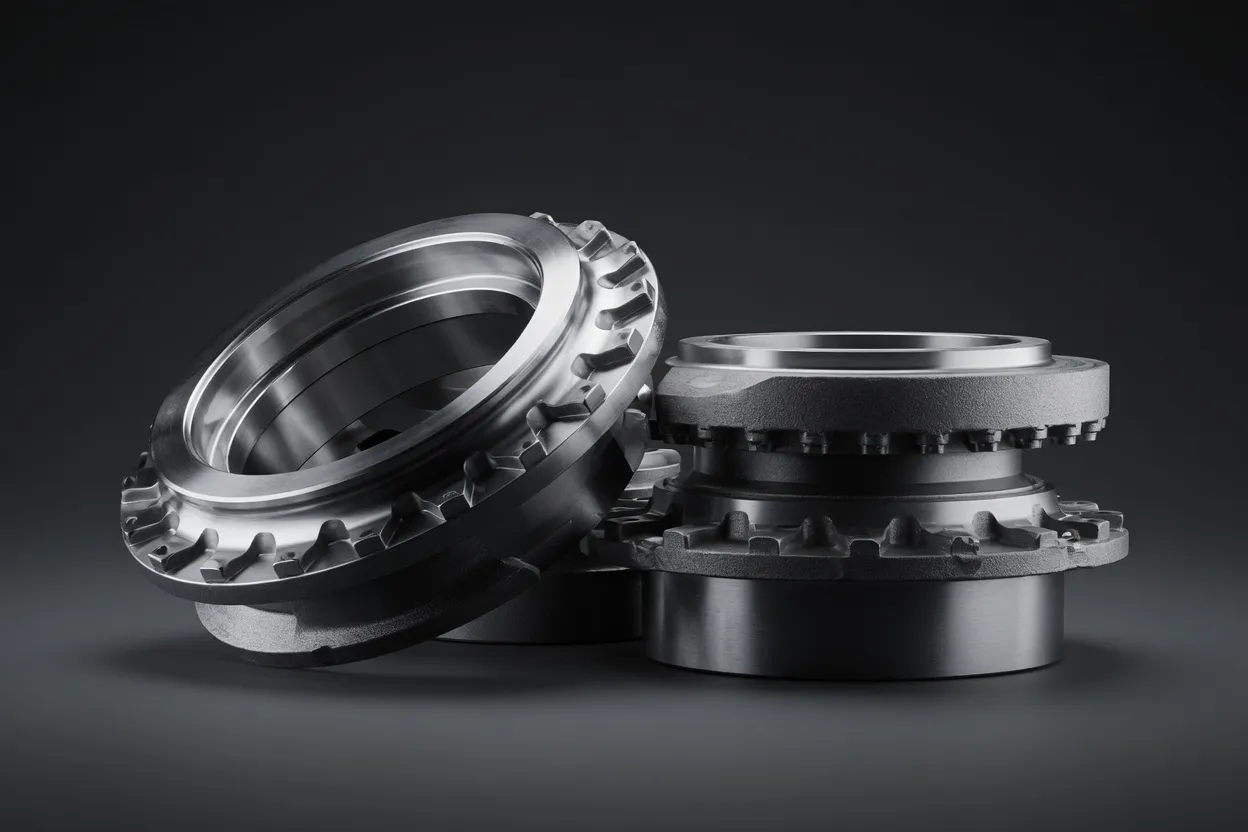
Planetary Gearboxes as Assembly Line Workhorses
An automated assembly line comprises multiple workstations, each performing a specific operation as parts advance on a conveyor or transfer system. At each station, one or more actuators — rotary, linear, or a combination — manipulate, orient, fasten, or inspect the workpiece. The planetary gear reducer between each actuator’s servo motor and the driven mechanism provides the torque multiplication and speed reduction necessary to match the motor’s output characteristics to the mechanical task. A single automotive engine assembly line, for example, may use over 200 planetary reducers across all stations.
The appeal of planetary gear architecture in this context is durability under repetitive duty. Assembly lines run 16 to 24 hours per day, five to seven days per week, with each actuator cycling every few seconds. This accumulates tens of millions of start-stop-reverse cycles per year. The distributed load sharing across multiple planet gears — three, four, or even five simultaneously engaged teeth per gear stage — keeps stress on any individual gear tooth well below the material’s fatigue endurance limit, delivering rated service lives of 20,000 hours or more without scheduled overhaul.
Application-Specific Requirements Across Assembly Stations
Rotary Indexing and Positioning
Dial-type and carousel assembly machines index workpieces between stations using rotary actuators with planetary reducers. Each index move must stop within ±0.01° of the target position to ensure downstream tooling aligns correctly with workpiece features. A low backlash planetary gearbox with angular play below 2 arcminutes enables the servo controller to achieve this precision without the cost and complexity of secondary mechanical registration devices such as shot pins or Hirth couplings at each station.
Press-Fit and Screw Driving Stations
Press-fit actuators apply controlled axial force while monitoring force-displacement curves for quality verification. The planetary gearbox in the rotary-to-linear conversion mechanism must deliver smooth, ripple-free torque to avoid force spikes that could damage sensitive components. Screw driving stations require precise torque control at the fastener — often within ±3% of the target — which demands a gearbox with consistent and well-characterized efficiency so the motor’s torque command translates accurately to the tool output.
Adhesive Dispensing and Sealing
Dispensing actuators move the applicator nozzle along a programmed path at constant velocity while the dispensing pump delivers a volumetrically controlled bead. Path velocity variations caused by gearbox cogging or backlash produce inconsistent bead width, leading to seal failures or adhesive waste. A precision planetary gearbox with helical gearing minimizes velocity ripple, enabling uniform bead deposition even at the low output speeds — 10 to 50 mm/s — typical of sealing applications.
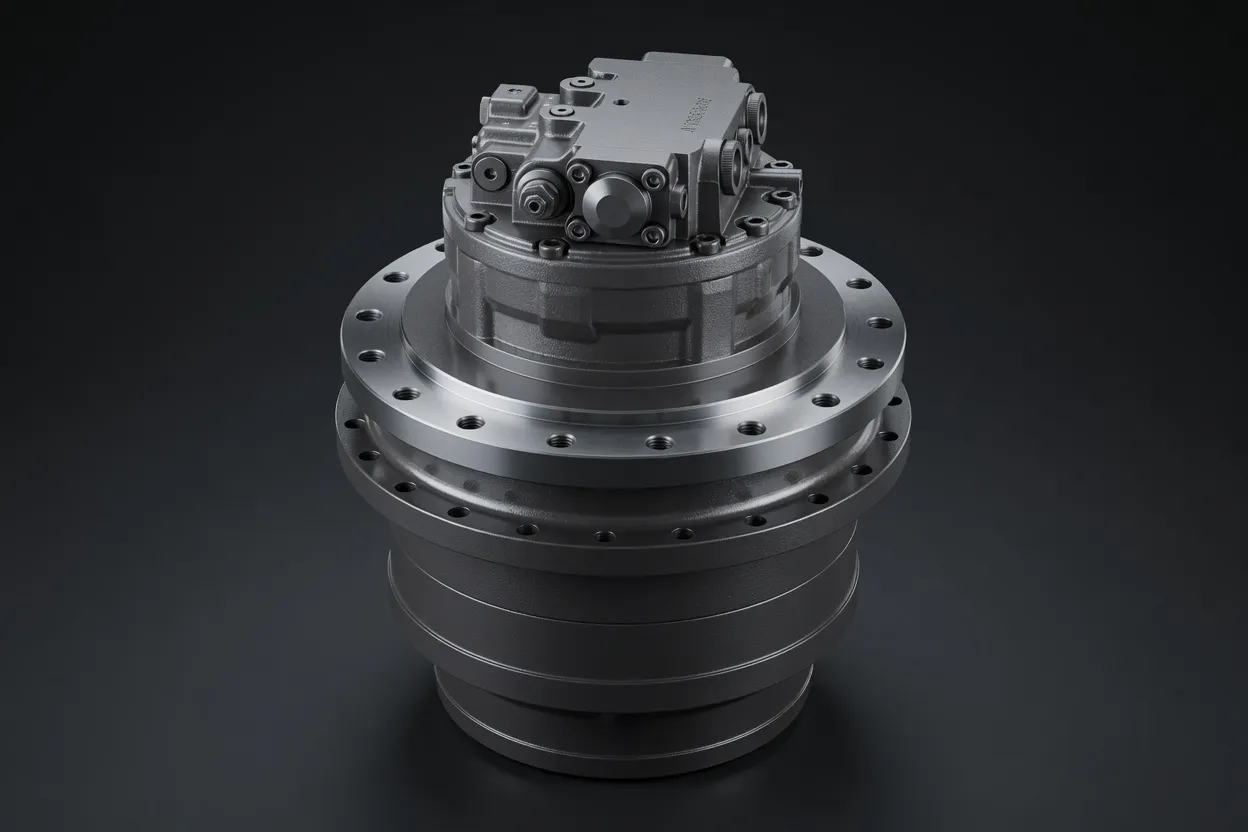
Selecting Gear Ratios for Assembly Actuators
Assembly line actuators span a wide range of speed and torque requirements. High-speed pick-and-place actuators operating at 200+ RPM output favor lower ratios (10:1 to 30:1) for maximum speed. Press-fit and torque-controlled stations, where output speed is modest but torque demand is high, benefit from higher ratios (50:1 to 100:1). Matching the gear ratio to the motor’s peak-efficiency operating point — not just its maximum torque — reduces energy consumption and heat generation across an entire line of actuators, contributing measurably to the facility’s overall energy budget.
When multiple actuator types are used on a single line, standardizing on two or three gear ratios and frame sizes simplifies spare-parts inventory and reduces mean time to repair. Rather than stocking a unique reducer for each station, the maintenance team carries a small number of standard units that cover the range of applications. This standardization strategy also simplifies procurement and quality control across multi-line manufacturing facilities.
Reliability and Mean Time Between Failures
⚙️ Gear Material and Heat Treatment
Case-hardened alloy steel gears (20CrMnTi or equivalent) with tooth-surface hardness of 58–62 HRC provide the wear resistance needed for multi-million-cycle applications. Through-hardened gears, while less expensive, lack the tough core and hard surface combination that resists both tooth bending fatigue and surface pitting over extended production runs.
Bearing Selection
Pre-loaded angular contact or tapered roller output bearings handle the combined radial and axial loads that assembly actuators impose. Bearing rated life (L10) should exceed 30,000 hours at the expected load and speed — well beyond the gearbox’s gear-fatigue life — to ensure that bearings are never the failure-limiting component.
️ Seal and Contamination Protection
Assembly environments generate metal chips, coolant mist, and dust that can infiltrate the gearbox if seals are inadequate. Double-lip shaft seals with a dust wiper element, combined with positive internal pressure from an expansion vent, prevent contaminant ingress and lubricant leakage throughout the reducer’s service life.
MTBF Targets
For automotive assembly lines, target an actuator MTBF above 40,000 hours to align with the line’s planned major maintenance intervals. Achieving this requires the gearbox, motor, coupling, and controller to each individually exceed 60,000 hours MTBF, since the system-level figure is the harmonic sum of all component MTBFs in the actuator assembly.
Line Integration and Standardization
Actuator Envelope Standardization
Define a standard mounting footprint for all actuator stations on the line. Select planetary gearbox frame sizes that fit within this envelope, enabling station-to-station interchangeability and reducing the number of unique mechanical interfaces the maintenance team must support.
Electrical Interface Consistency
Standardize the motor-drive communication protocol (EtherCAT, PROFINET, or equivalent) across all stations so the gearbox-motor combination can be swapped between stations without drive firmware changes. The gearbox selection should be compatible with the standard motor frame used across the line.
Spare Parts Kitting
Assemble pre-configured spare kits — motor, gearbox, coupling, encoder — for each standardized actuator type. Label kits with station compatibility information so maintenance technicians can swap a failed actuator in under 30 minutes without consulting engineering drawings.
Commissioning Procedure Template
Create a standardized commissioning checklist for gearbox installation: alignment verification, fastener torque, lubrication check, servo tuning parameters, and acceptance test criteria. Consistent commissioning reduces installation-related infant-mortality failures across all stations.
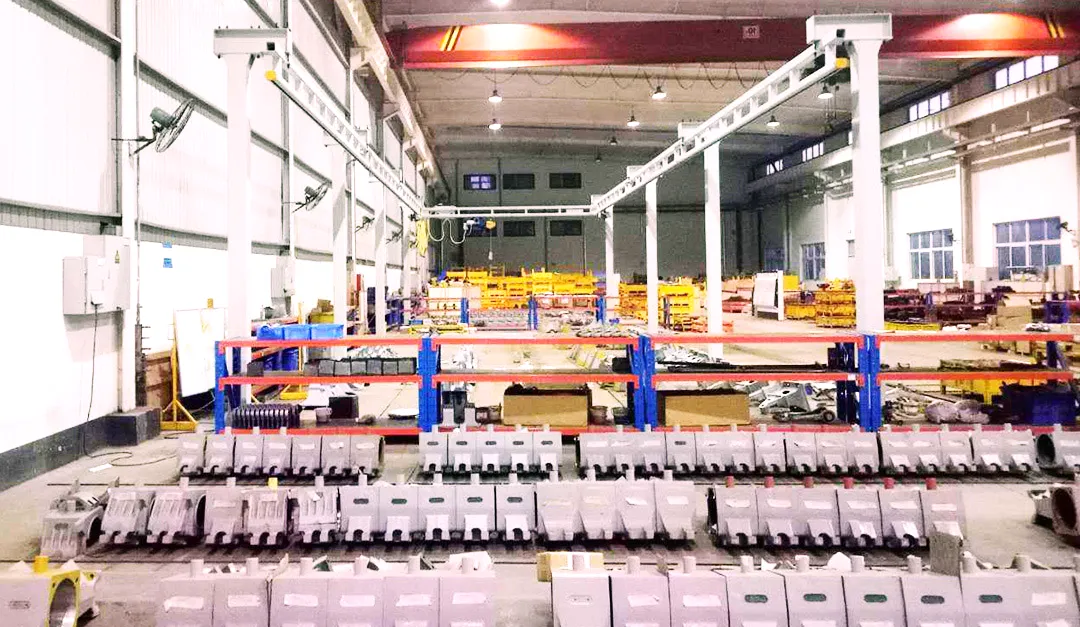
Preventive Maintenance for Assembly Line Gearboxes
Scheduled Inspection Intervals
Implement a tiered inspection schedule: monthly visual checks for oil leaks or unusual noise, quarterly vibration measurements, and annual backlash verification. For stations with the highest cycle counts, add a semi-annual grease sampling for particle analysis. This tiered approach concentrates diagnostic resources where failure risk is highest while avoiding unnecessary intervention on lower-duty stations, optimizing maintenance labor allocation across the line.
Condition-Based Replacement Strategy
Rather than replacing gearboxes on a fixed calendar schedule, use the vibration and backlash trend data to drive replacement decisions. A gearbox showing stable vibration and backlash values at 25,000 hours may have substantial remaining life, while another at the same age but showing progressive degradation may need immediate replacement. Condition-based replacement reduces both unnecessary part consumption and unexpected line stoppages, typically lowering total maintenance cost by 20 to 30% compared to fixed-interval strategies.
Why Choose Ever-Power for Assembly Line Gearboxes
High-Volume Production Capacity
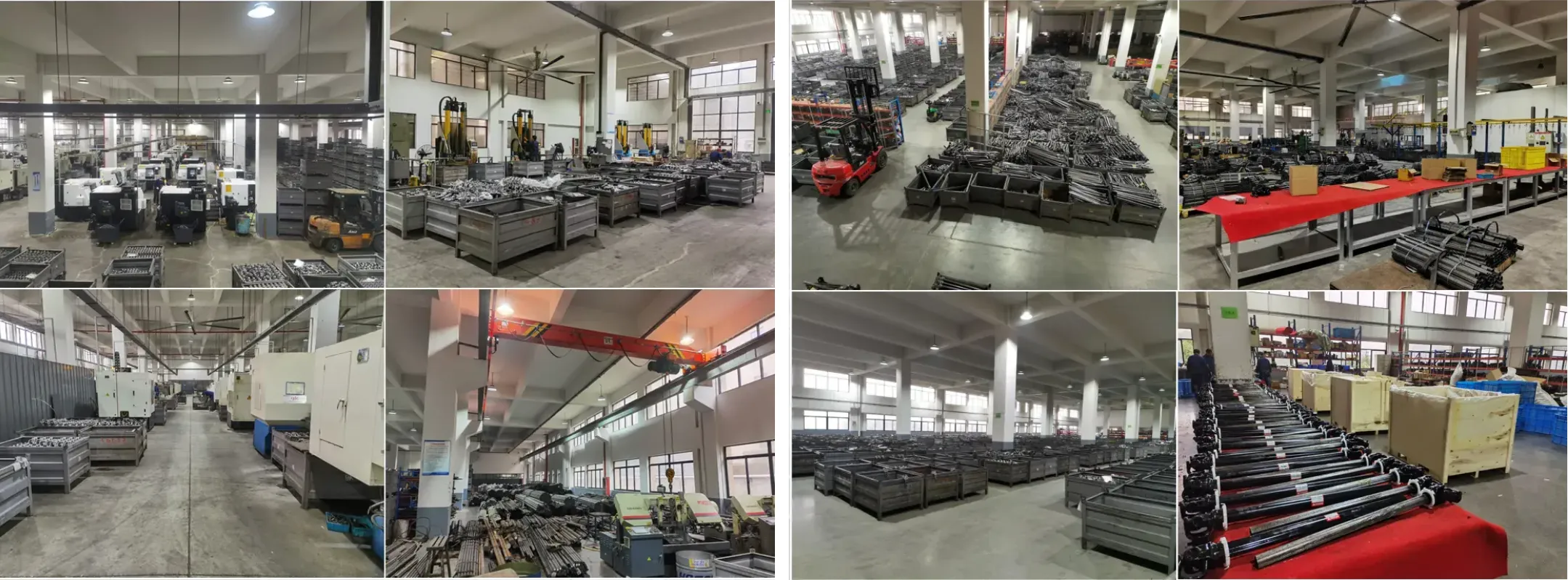
Our Hangzhou facility produces over 8,000 planetary reducer units monthly, supporting assembly line OEMs with the volume consistency and delivery reliability required for multi-line manufacturing programs spanning automotive, electronics, and consumer goods industries.
Standardized Product Families
Our product range covers frame sizes from 40 mm to 220 mm with ratios from 3:1 to 512:1 in a consistent dimensional platform. This enables assembly line integrators to standardize on a single supplier across all actuator stations, simplifying procurement and quality management.
️
Line-Wide Engineering Support
Our application engineers review entire assembly line layouts — not just individual stations — to recommend optimal gearbox selections that balance performance requirements against spare-parts standardization goals. Share your line layout for a comprehensive drive-train proposal.
Blanket Order Programs
Annual blanket purchase agreements with monthly or quarterly call-off shipments ensure uninterrupted gearbox supply aligned with your production schedule. Contact [email protected] to structure a program tailored to your line’s consumption rate.
Frequently Asked Questions
Equip Your Assembly Line with Reliable Actuators
Share your line layout and station specifications — our team will deliver a standardized gearbox recommendation covering every actuator on the line.